Fibre composite technology Carbon
CFRP/GRP/NFRP/AFRP
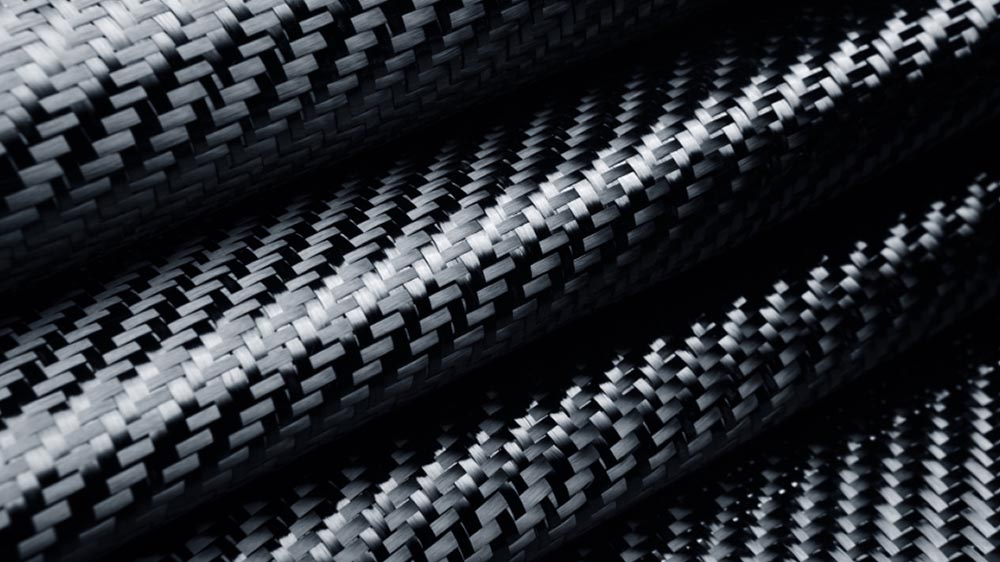
Extremely light-weight, rigid and simplicity of form are only some of the attributes that long fibre-reinforced plastics are known for and have an excellent future in automotive manufacturing as well as in other industrial sectors.
Specialisation
As specialists in processing of fibre-reinforced composites, we have lots of experience in the commercially used processing techniques for long and continuous fibre-reinforced plastics such as in pre-preg-autoclave technology, fibre winding technology and the fibre sprays. We realized the potential of the RTM-Technology at a very early stage and concentrated and specialized in this process.
Since 1999, we have been exploiting the advantages of this technology, including reproducibility, high surface quality, mapping complex geometries, economical serial production and we were able to successfully complete many projects during this period.
CFRP
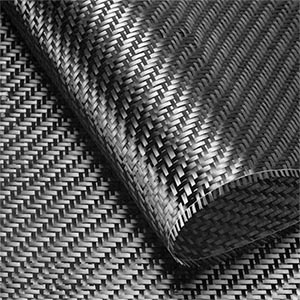
CFRP generally stands for "carbon fiber reinforced plastic" (also "carbon fiber-reinforced plastic"). CFRP is a fiber-reinforced composite material in which carbon fibers are embedded in a resin matrix (e.g., epoxy resin).
Properties
Very high strength
Extremely lightweight
Stiff
Very high stiffness
Electrically conductive
Good radiolucency (e.g., X-rays)
Typical applications
Aerospace
Motorsports
Automotive industry
Shipbuilding and shipbuilding industry
Yacht building Sports and leisure (golf clubs, fishing rods, bicycle frames)
High-end components in mechanical engineering
GRP
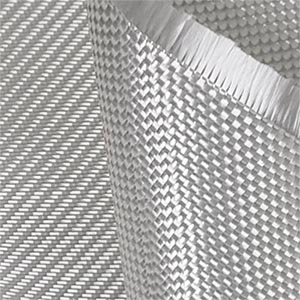
GRP stands for "glass fiber reinforced plastic." It is a composite material in which glass fibers are embedded in a polymer matrix (usually polyester, vinyl ester, or epoxy resin).
Properties
High strength properties, comparable to those of aluminum alloys
Relatively lightweight, but heavier than CFRP
More cost-effective than CFRP
Electrically insulating
Good chemical resistance
Good weather resistance
Typical applications
Boat hulls
Car bodies and motorhomes
Tanks and pipes
Machine cladding
Wind turbines (sometimes in combination with other fibers)
NFRP
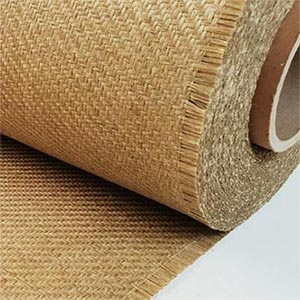
NFRP stands for "natural fiber reinforced plastic." NFRP is a composite material in which natural fibers serve as reinforcement, e.g., flax, hemp, jute, sisal, or wood fibers. These fibers are embedded in a plastic matrix (usually PP, PE, or biopolymers).
Properties
Eco-friendly (renewable raw materials)
Good stiffness properties
Good damping and acoustic properties
However, lower strength and moisture resistance than CFRP/GFRP
Moderate strength properties
High moisture absorption
Typical applications
Interior trim in cars (door panels, dashboard components)
Furniture
Lightweight housings and consumer goods
Sports and leisure products
Building materials (e.g., wood fiber-reinforced plastics)
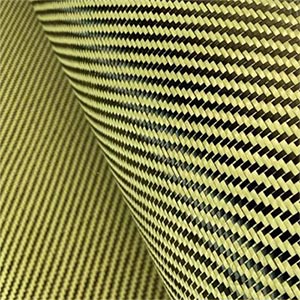
AFRP
AFRP stands for aramid fiber reinforced plastic. An AFRP consists of: Aramid fibers (e.g., Kevlar, Twaron) provide strength, toughness, and protection. A polymer matrix (e.g., epoxy resin) holds the fibers together.
Properties
Extremely impact-resistant – higher than CFRP/GFRP
Very lightweight
Non-conductive
High abrasion resistance
High heat and fire resistance
Good energy absorption (ideal for protective systems)
However, less stiff than CFRP
UV-sensitive (requires a protective coating)
Typical Applications
Aramid fiber-reinforced plastics are often used where protection, toughness, and low weight are important:
Protective vests, helmets, ballistic plates
Motorsport & aerospace (parts subject to high impact loads)
Sports equipment (paddles, tennis rackets, skis)
Ropes, straps, parachutes
Impact-resistant housings
Composite components with high energy absorption requirements
Get in touch